What creates bargaining power in the product in International Marketing situations?
- Nov 25, 2021
What creates bargaining power in the product in International Marketing situations?
The bargaining power of suppliers comprises one of the five forces that determine the intensity of competition in an industry.
Few factors that create bargaining power in the product in International Marketing situations: –
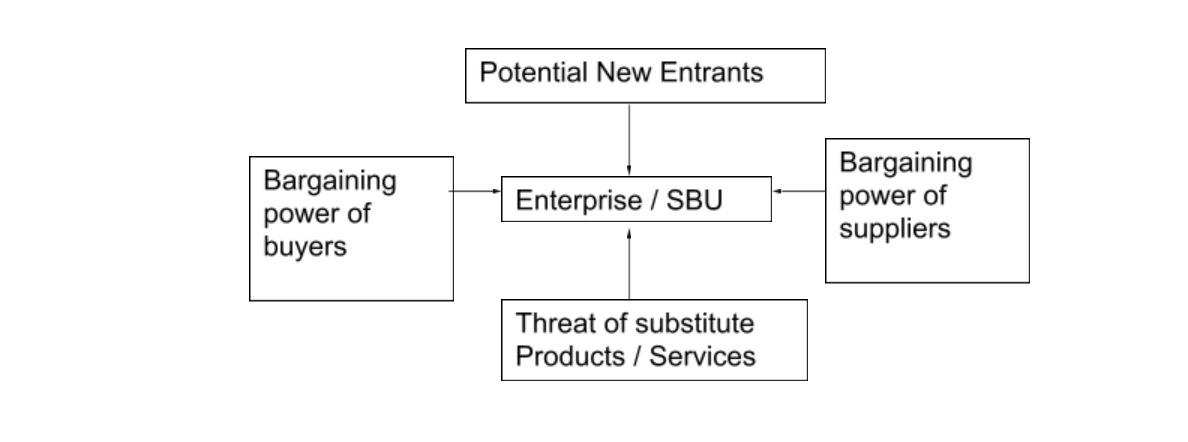
Structure of competition: Bargaining power of a product is the price it fetches vis-à-vis a competitive product. A product that has less number of substitutes or an industry where there is less number of players increases the bargaining power of the product or companies that are operating in the category. E.g.: – In an international market, a product like Oil or Software would have more bargaining power due to scarcity vis-à-vis a soap. Competitiveness of a firm selling the product in an international marketing situation can be understood with the help of a popular framework developed by Prof. Michael Porter (Harvard).
Buyers bargaining power: From enterprise perspective includes buyer selection, switching costs (loyalty), differentiation, and entry barriers.
Suppliers bargaining power: From enterprise perspective includes Supplier selection, Switching costs, Quality monitoring
Potential New Entrants: Provide entry barriers: Economies of scale, Switching Costs, Differentiation, Access to distribution channels.
The threat of substitutes: Cost-effectiveness, Market Access & Differentiation
Effective STP (Segmentation, Targeting & Positioning): Before entering any new market adequate market research & analysis should be undertaken to identify the profitable consumer segment and Target Group. Positioning is the space that the product occupies in the minds of the Target Group. Product is all about the functional & emotional benefits that a consumer derives from it and can be quite subjective.
Value proposition – Market-driven approach. Analyzing the market, and then, and only then, decide on its offer in terms of products, services, and marketing programs. The consumers usually benchmark products vis-à-vis competitive products. The value proposition is again functional benefits that the consumer derives from the product. The degree of product differentiation and additional value added services increases bargaining power.
Promotion mix: – Designing an effective promotion mix (Advertising, PR & Publicity, Direct Marketing, Interactive Marketing, Personal Selling…etc) to communicate value proposition of the product also increases the bargaining power.
Just in Time delivery: – SCM, Inventory & Logistics management also has direct correlation with the bargaining power. A product can again fetch a premium price if delivered in time to its consumers.
Brand Equity & Loyalty: The former is a result of the reputation of the company that is offering the product. The latter comes from past experiences of the consumers with the product or company.
The urgency of need, Quality of service, Demand & Supply…etc.