The Oil Tanker Trade in the Gulf Quickly Starts Up Again After the Ceasefire
- Apr 09, 2026
The Oil Tanker Trade in the Gulf Quickly Starts Up Again After the Ceasefire
After the cease-fire was announced, Taiwan's state-owned refinery CPC and other Asian importers got shipments via ship. According to Import Globals' data on exports from the US, business was rising up quickly again.
There is slowly more tanker activity, but the shipping industry is still being wary as a whole. Shipping companies, insurance companies, and energy traders are still keeping a close eye on the political situation. If violence rises in the area, it might block the movement of oil across the world again. The present turmoil in the Middle East, according to Import Globals, has made the world energy market even more unstable. Shipping in the Persian Gulf was temporarily halted. The war made it more difficult for tankers to cross vital trade lanes, especially the Strait of Hormuz. According to many experts, this is a key spot where international energy trade could encounter obstacles. But now that the United States and Iran have reached a fragile truce in early April 2026, oil tankers are back in the Gulf. As per Vietnam Import Data by Import Globals, Asian refiners and big commodities merchants wasted no time putting their plans into action as soon as tensions between the two countries subsided. Glencore, a substantial energy trading company, and numerous Asian energy companies promptly leased substantial tankers to transport crude from the Middle East.
The Persian Gulf Oil Trade's Strategic Importance
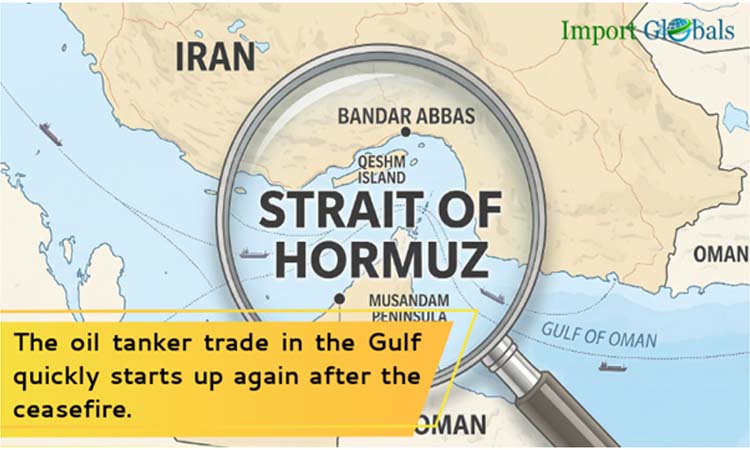
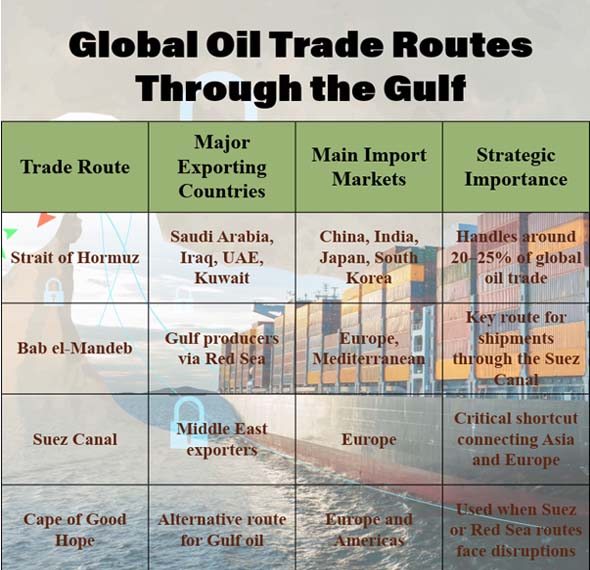
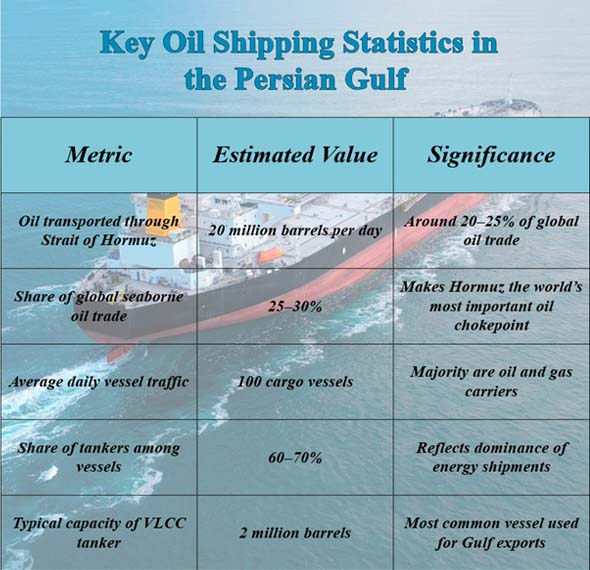
The Persian Gulf is a very important element of the world's energy supply chain. Saudi Arabia, Iraq, Kuwait, Qatar, and the United Arab Emirates are all big producers of crude oil and petroleum products. These countries sell their goods to markets all over the world. Most of these things are sent by ship via the Strait of Hormuz. As per Europe Export Data by Import Globals, the strait is a small but significant link between oil producers in the Gulf and markets in Asia, Europe, and North America. Millions of barrels of oil go via this route every day without any concerns. Every day, the Strait of Hormuz sees about 20 million barrels of oil flow through it. This is around 20% to 25% of the world's oil traffic. Shipping, trade, and energy prices all go up right away when there are problems in this area since so much energy is sent out of it.
How the Conflict Affects Tanker Traffic
Before the cease-fire, marine trade in the Strait of Hormuz dropped substantially because people were worried about safety and military tensions were rising in the area. Oil tanker operators have to deal with a lot of challenges, such as:
- The danger of naval strikes and mines in the ocean
- More expensive war-risk insurance premiums
- Important shipping lines are closing for a short time.
- Tankers and the port are both behind schedule.
Based on Iran Import Export Trade Data by Import Globals, Shipping experts indicated that tanker traffic over the strait dropped a lot during the worst of the crisis. In several situations, shipments decreased by more than 80% from normal levels. This demonstrates how drastically the oil market around the world was changed. As a result, hundreds of ships were stuck in the Gulf region, waiting for safe passage. At the same time, energy importers all around the world looked for other ways to get energy.
Ceasefire Quickly Brings Back Tanker Bookings
People's feelings about the market changed quickly after the US and Iran agreed to a ceasefire in early April 2026. Quickly, oil merchants and refiners made plans for vessels to be ready in case exports started up again.
A few days after the cease-fire was called:
- Traders of goods hired large ships to bring oil from the Middle East.
- Asian energy companies started buying cargoes from Gulf exporters again.
- Tankers that had been broken down throughout the conflict started to work again.
- As per USA Import Data by Import Globals, Taiwan's CPC Corporation obtained a ship that can contain approximately 2 million barrels of crude oil. This is enough to feed the country for more than two weeks.
- In the interim, Glencore hired a very large crude carrier (VLCC) to deliver oil from the Gulf to Asian markets. This was because refineries that couldn't get Middle Eastern oil for a while during the crisis had a lot of demand.
How the Tanker Market Responds to New Demand
The sudden return of oil supplies from the Gulf changed the global tanker market immediately away. Charter fees for big oil tankers went up as the need for ships that can carry crude oil to Asian markets grew.
Some big changes were:
- There are more customers who desire VLCC tankers, which can hold around 2 million barrels of crude oil.
- As per Philippines Import Trade Analysis by Import Globals, more people are chartering ships, which is driving up freight charges.
- Because geopolitical concerns are still high, more people want maritime insurance.
- During the crisis, shipping experts indicated that tanker prices were some of the highest they've been in years. This was because there was a lot of demand for oil transport and it was dangerous to do business there.
Asian Need for Energy Moves Tankers Around
Asia is remains the biggest buyer of crude oil from the Middle East. China, India, Japan, and South Korea all need oil from the Gulf to power their own countries. After the truce, Asian refineries, in particular, quickly started buying crude oil again. During the war, a lot of these buyers stopped buying things for a while because they weren't sure about the supply and shipping was slow. As per Japan Export Data by Import Globals, countries that import energy need a stable supply from the Gulf to keep their economy going. Gas prices could go up, inflation could arise, and there could be shortages of supplies if tanker movement is suspended for a long time.
Oil Prices Going Up and Down After the Ceasefire
The oil market is remains shaky, even if tanker shipments have begun up again. Experts warn it might take weeks or even months for trading to come back to normal.
There are still a lot of things that affect the market:
- Don't know how long the ceasefire will last.
- Ships that venture into the Gulf have to pay a lot for insurance.
- There are a lot of people at the ports since the shipments are late.
- Political tensions are very high in the area.
- As per South Korea Import Data by Import Globals, the truce made things less dangerous for the military right away, but many maritime companies are still not sending ships through the Strait of Hormuz until things get safer.
Shipping Industry Is Still Careful
Even if tanker bookings started up again soon after the agreement, shipping companies are still being careful. A number of business leaders have said that the current situation is unstable and might change at any time. As per USA Import Shipment Data by Import Globals, Maritime intelligence companies believe that many ships are still waiting outside the Gulf region until security guarantees are made clear. The cost of ship insurance in the area is still expensive. Some shipping companies are also looking at other routes or putting off voyages until things get better.
Long-Term Effects on Global Energy Trade
The most recent crisis shows how easily political events can stop the flow of energy around the world. Governments and energy firms are searching for more ways to get supplies from different areas so they don't have to rely on one marine chokepoint as much.
Some possible long-term solutions are:
- Getting oil from more than one source
- Adding more strategic oil reserves
- Putting money into different kinds of energy
- Building pipeline infrastructure to get around issues. As per USA Import Export Trade Analysis by Import Globals, some Gulf producers already have pipes that let some shipments transit past the Strait of Hormuz. But these methods can't completely replace shipping by sea.
The End
The tranquility in the Middle East has slowly let tankers laden of crude oil start moving again in the Persian Gulf. As per Europe Export Import Global Trade Data by Import Globals, big companies like Glencore and Asian refiners soon hired ships to start delivering oil again from Gulf export facilities. This little action shows how important oil supplies from the Middle East are to the economy of the whole world.
But just because the tankers are back doesn't mean the situation is over. Shipping companies are still being careful since insurance rates are high and there are still problems between countries in the area. The Strait of Hormuz is still one of the most important trade routes in the world. It has a lot of oil in it.
As the world's need for energy develops, governments, energy businesses, and shipping companies all across the world will keep making sure that shipping routes are safe and dependable. Import Globals is a leading data provider of USA Import Export Trade Data.
FAQs
Que. Why is the Strait of Hormuz so vital for oil trade?
Ans. The Strait of Hormuz is a narrow body of water that connects the Persian Gulf to shipping channels all around the world. This waterway is one of the most important places for energy to become stuck in the globe because it transfers about 20–25% of the world's oil.
Que. Why did the number of tankers in the Gulf go down?
Ans. During the most recent Middle East crisis, tanker traffic decreased due to increased insurance costs, naval tensions, and safety concerns. As a result, numerous tankers were compelled to postpone their voyages.
Que. Which companies resumed the process of accepting tanker reservations following the ceasefire?
Ans. Major commodity traders and Asian refiners, such as Glencore and Taiwan's CPC Corporation, quickly began shipping again.
Que. When will it be normal to move oil again?
Ans. Analysts say that even while shipments have started up again, it could take weeks or perhaps months for tanker traffic to get back to regular levels. This is because there is still a lot of uncertainty in the world.
Que. Where to get detailed USA Import Export Global Data?
Ans. Visit www.importglobals.com.